
How to Choose a Laboratory Centrifuge: A Practical Guide
01.Start with your applications
The biggest mistake in buying a centrifuge is choosing a machine before defining the work it will do. Your applications decide everything downstream.
- Sample types & volumes — blood tubes (5–10 ml / 15–20 ml), microtubes (1.5 ml), plates, or bulk bags.
- Throughput — how many samples per run, and how many runs a day.
- Temperature — do you need 4°C for coagulation, nucleic acid, or biobanking? If yes, you need a refrigerated model.
- Standards & compliance — clinical, diagnostic, or research requirements that may dictate certification.
Write these down as a short requirement sheet before looking at any brochure — it turns every spec comparison into a yes/no check.
02.The three specs that matter most
1. Max RCF, not RPM
RCF (relative centrifugal force, in g) is what actually separates samples. The same RPM produces more force with a larger rotor, so compare by RCF — it tells you whether the machine can do the separation you need.
2. Capacity & rotor
Match the rotor to your tubes: swing-out rotors with bucket adapters are ideal for blood tubes and plates; angle rotors suit pelleting at high g. Check whether rotor options cover the tubes you actually use.
3. Temperature control
For temperature-sensitive work, choose a refrigerated model with reliable, precise temperature control. For routine biochemistry only, a benchtop unit may be enough.
03.Types compared at a glance
| Type | Best for | Watch for |
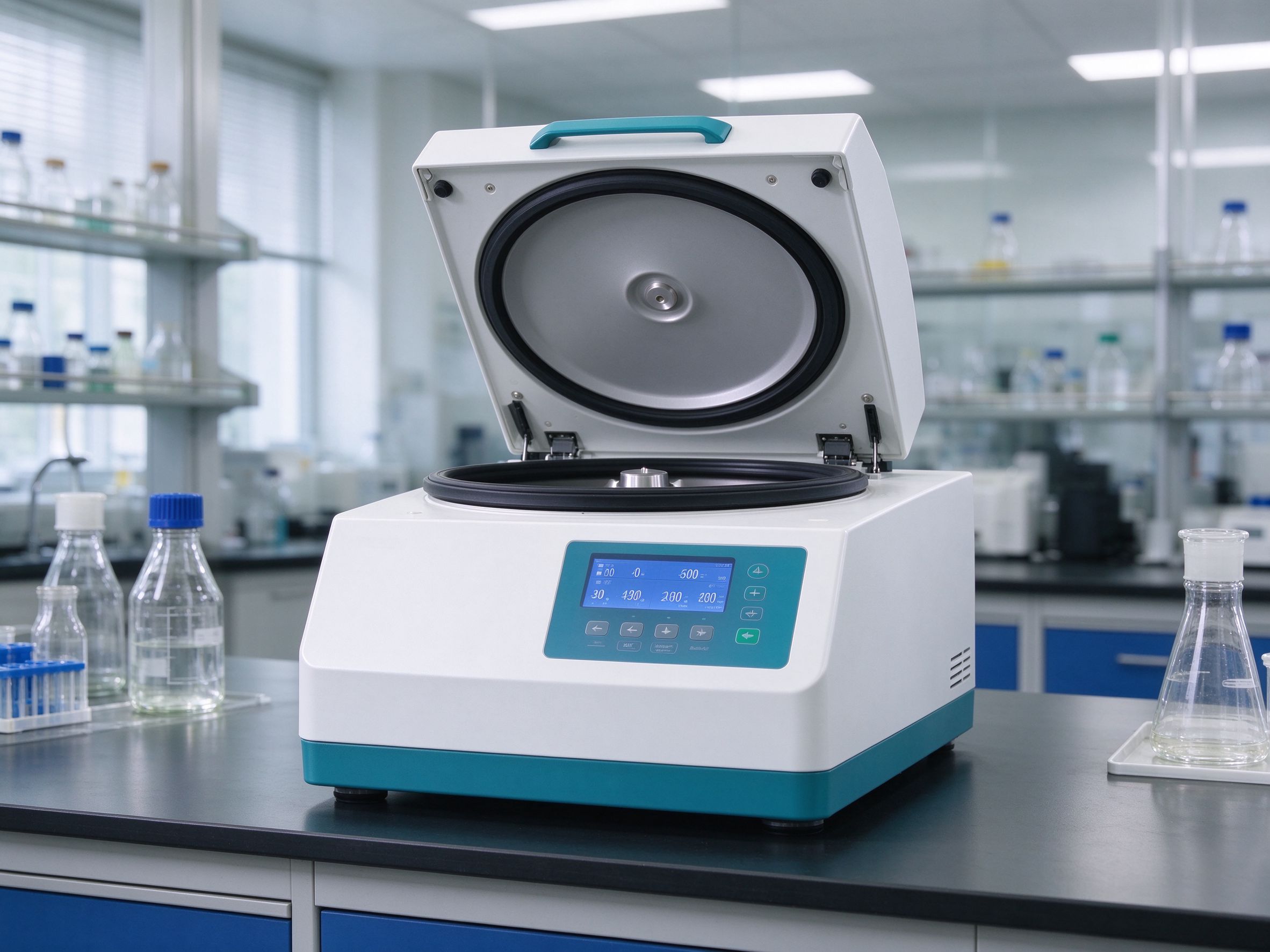
| Benchtop / micro | 1.5–50 ml tubes, routine biochemistry | Low max volume |
| Refrigerated | Coagulation, nucleic acid, biobanking | Higher price, footprint |
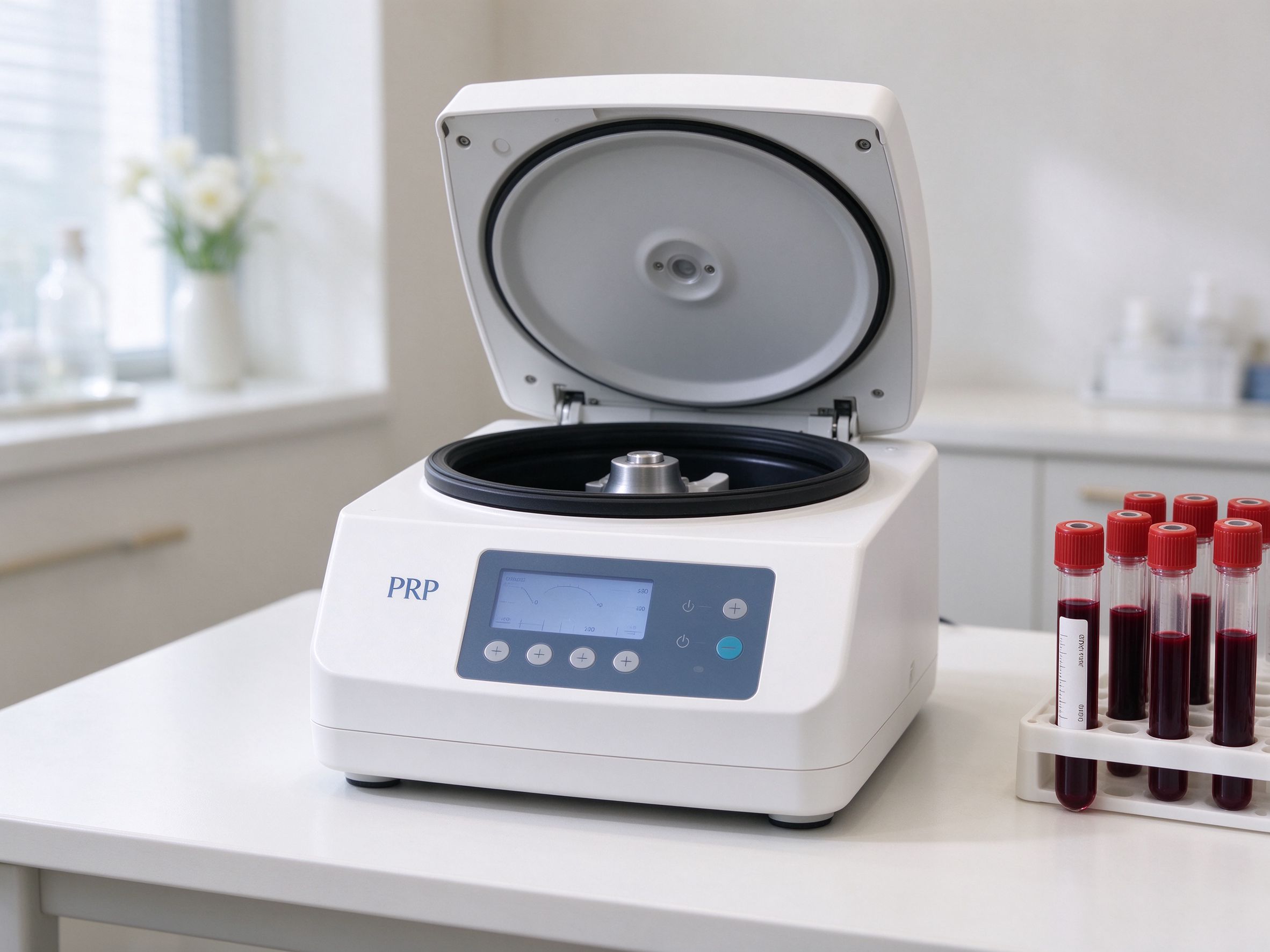
| PRP / specialty | Aesthetics, regenerative medicine | Niche protocols |
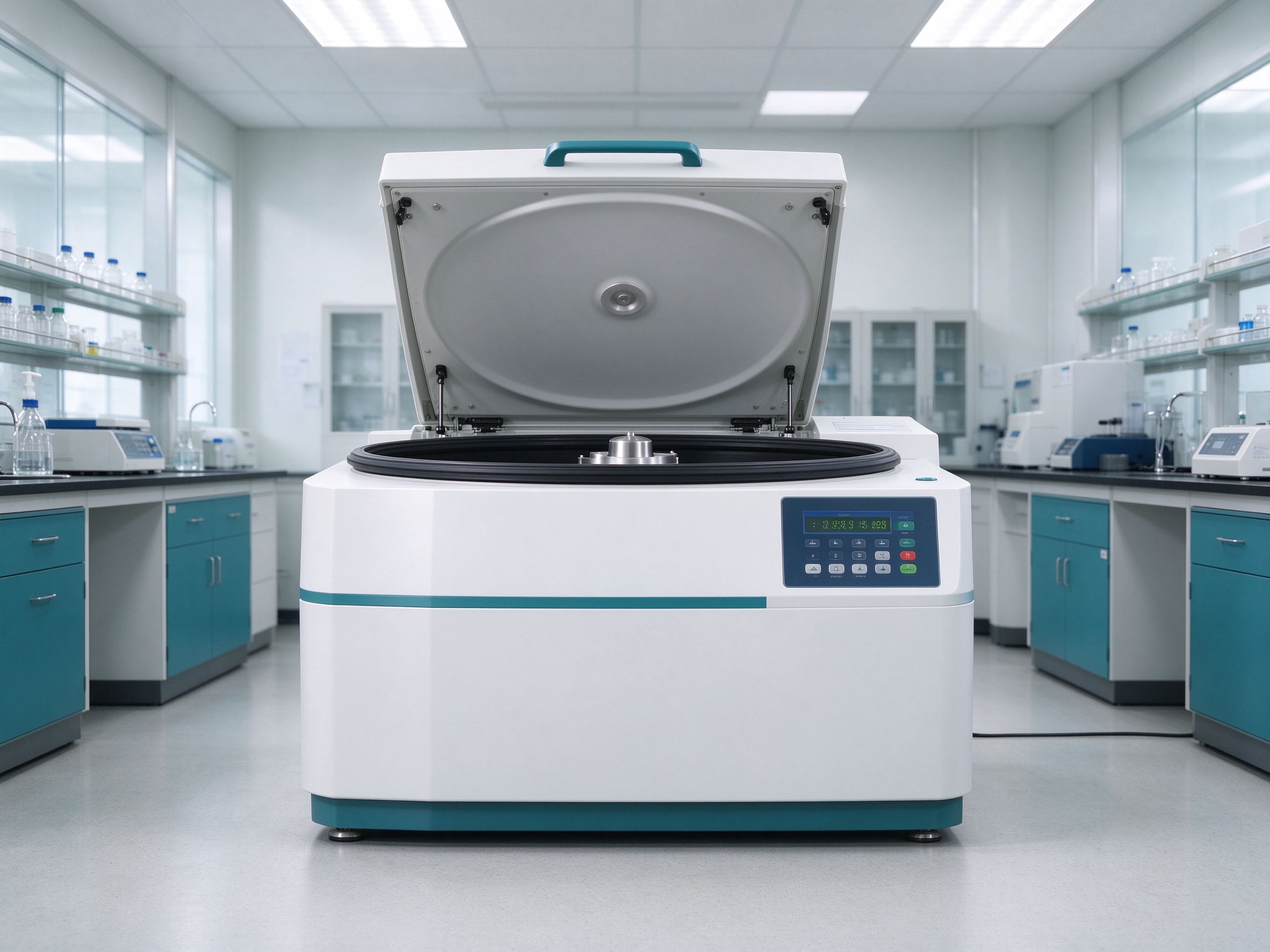
| Floor-standing | Blood banks, high throughput | Space & budget |
04.A quick selection checklist
- Capacity & rotor: does it cover your tube sizes and per-run volume?
- Max RCF: judge separation power by g, not just RPM.
- Temperature: refrigerated needed for coagulation, nucleic acid, or biobank work?
- Speed control: programmable protocols and a user-friendly display.
- Safety: imbalance detection, overspeed protection, and CE / IEC 61010 compliance.
- After-sales: rotor and consumable availability, warranty, manufacturer support.
Recommended models

- Max Speed15500rpm
- Max RCF23449xg
- Capacity5mlx12

- TypeFloor-standing Centrifuge

- Max Speed6000rpm
- Max RCF5502xg
- Capacity750mlx4
Need help choosing a centrifuge?
Send us your protocol — engineers reply within 24 hours with a model recommendation.
Request a Quote